


National park Sutjeska
Sutjeska National Park is the oldest national park in Republika Srpska and Bosnia and Herzegovina. Sutjeska became a national park in 1962 and covers an area of 17,250 ha. The nearest city is Foča. It is located on the main road Belgrade–Višegrad–Foča–Tjentište–Bileća–Trebinje–Dubrovnik
One of the four last remaining primeval forests in Europe is located here — Perućica. Sutjeska is also home to the highest mountain peak in the Republika Srpska, Maglić, 2386 m above sea level.
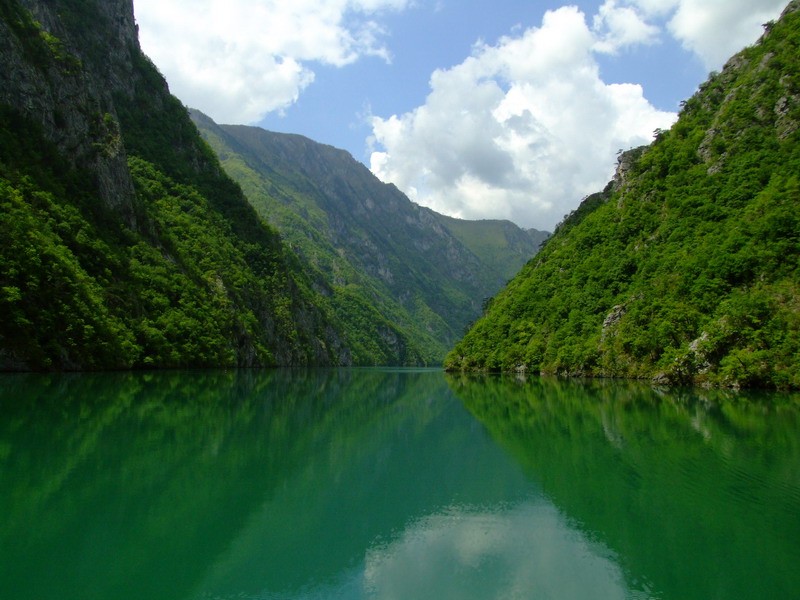
Mount Maglić is located on the border of Republika Srpska and Montenegro and can be accessed from the national park, which presents a great challenge for hikers, mountaineers and similar nature lovers. The Sutjeska River has carved its way through the canyon for many years and flows through the very heart of this national park. Its mountains, lakes, rivers, forests and preserved wildlife are among the most magnificent in Europe. These Dinarides extend deep into the Balkan Peninsula, all the way to the Prokletije Mountains on the border with Montenegro.…
In the Sutjeska National Park, in a relatively small area, an enormous treasure of flora and fauna is concentrated. That is why this area was and still is very attractive for numerous scientists, botanists, geologists, zoologists and forestry experts. The rich flora contains over a hundred species of edible mushrooms, as well as a large number of rare, sensitive and endangered species
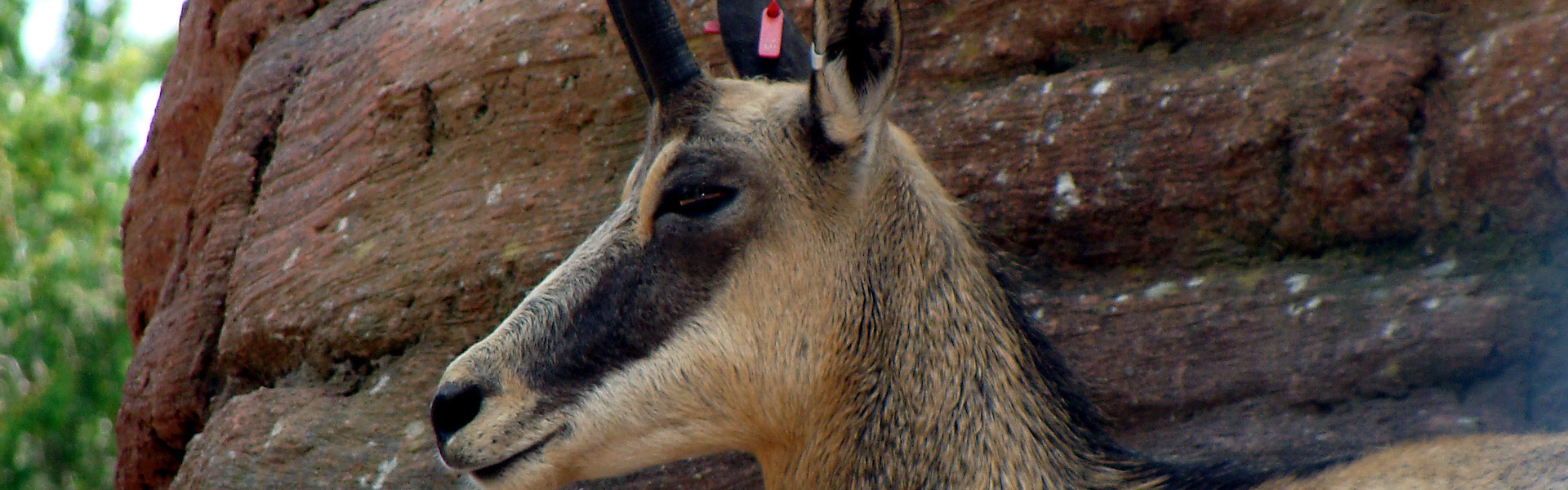
The animal world is also extremely rich. Almost all the species typical of the Balkan mountain area live in dense forests and mountain meadows. 114 species of birds have been recorded (in 2002), although it is believed that there are more. Of the 114 recorded species, 61 nest in the Sutjeska National Park, 32 species visit the park every summer, while 16 species belong to migrants who pass through here in autumn and spring. Five species only appear in the national park in winter. The list of birds also includes 9 species of woodpeckers, which…
This difficult terrain helped the Partisans defend themselves against the Germans in a decisive battle, known as the "Fifth Enemy Offensive" or the Battle of Sutjeska. The Battle of Sutjeska took place in 1943 and is considered one of the most difficult battles of World War II in the former Yugoslavia.
On this occasion, in 1971, a monumental monument to fallen soldiers was erected in Tjentište within the "Valley of Heroes" memorial complex, located next to the Foča - Tjentište - Bileća main road.
Source: Wikipedia
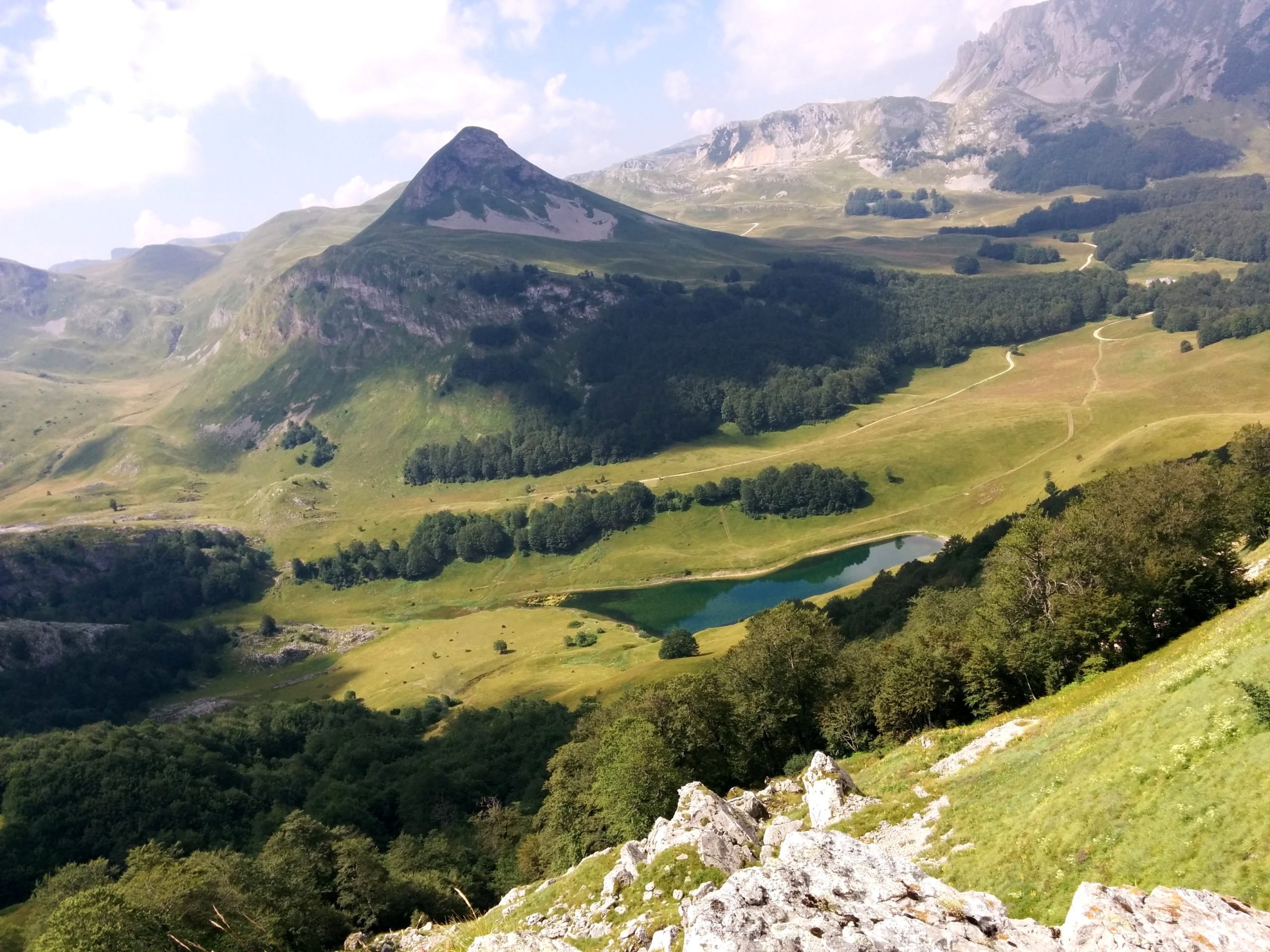
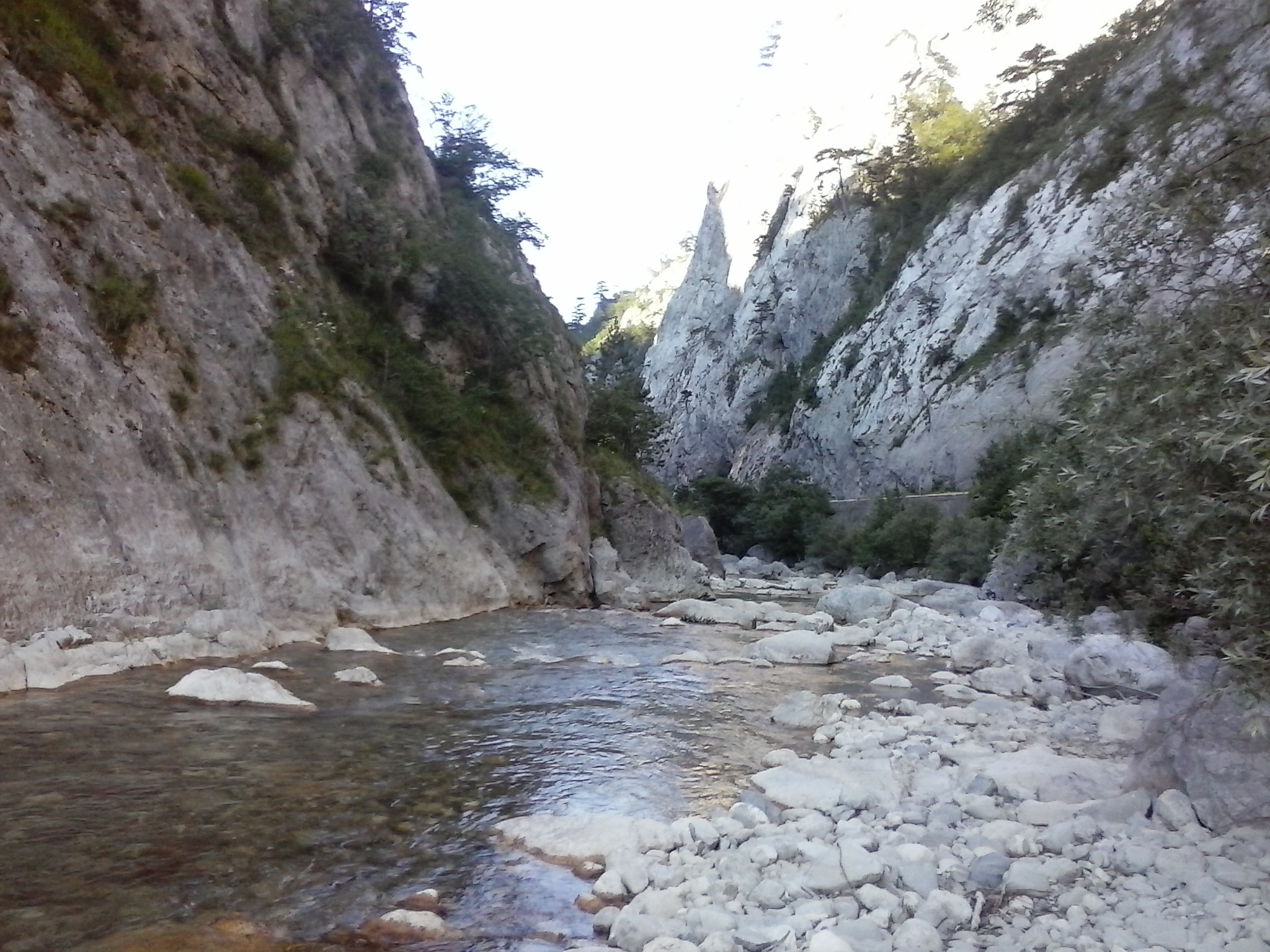
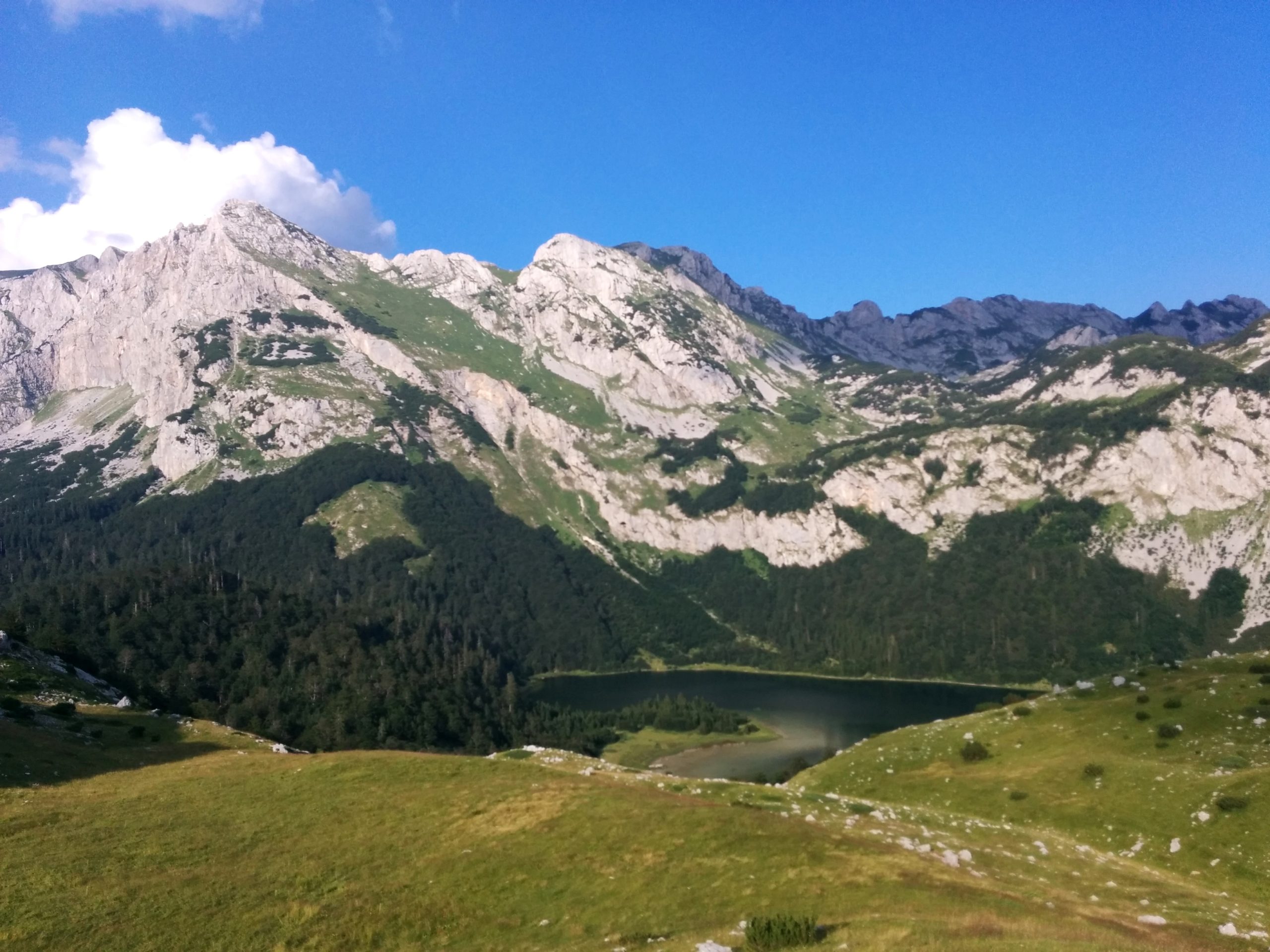
Attractions of the Sutjeska National Park
Perućica Rainforest
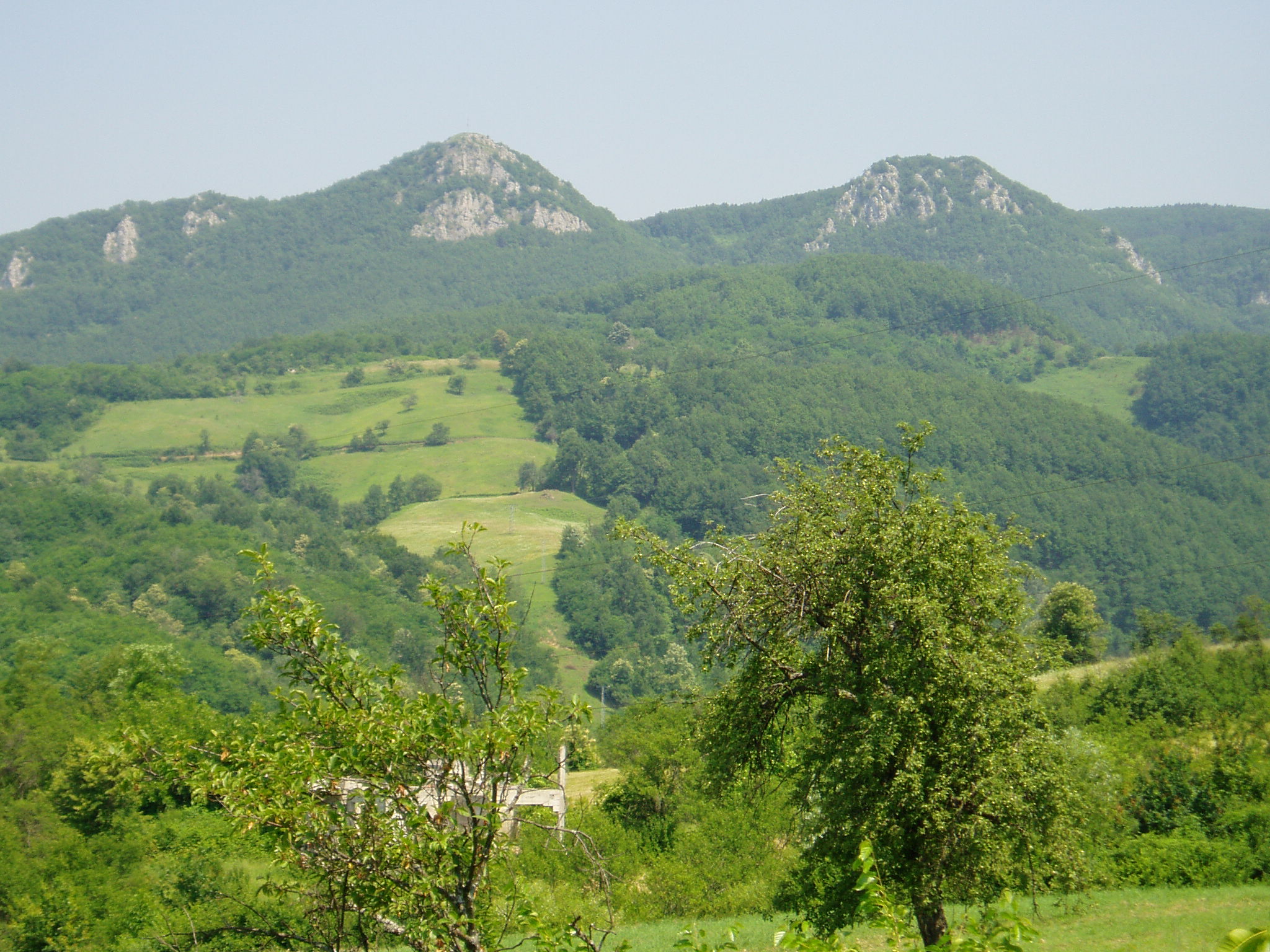
The Perućica Forest Reserve, located in the park, is six kilometers long, between one and three kilometers wide depending on the area, and has an area of 1,400 hectares. The forest contains a large number of trees over 300 years old, while the age of the original forest in the protected area is estimated at 20,000 years. In some parts, the forest vegetation is almost impenetrable
According to scientists from Yale University, Perućica is an ideal place for studies on the role of forests in the global carbon cycle, considering that it is one of the last intact forests in Europe. The human factor has not had an impact on the generational changes of plant and animal life in the reserve area.
Organized paths lead through the forest, which end at a viewpoint from which you can see the center of the rainforest, while the Suški stream also flows through it. Due to the specificity of the terrain, visits are allowed only with prior notice to the guides from the national park
Skakavac Waterfall
Skakavac Waterfall is formed on the Perućica, a tributary of the Sutjeska River, a mountain stream located deep in the rainforest. It is one of the highest waterfalls in the country, about 75 meters high, and is located in a dense cover of green beech and spruce trees that cover the entire valley.
The Perućica rainforest is located below the highest peak in Bosnia and Herzegovina, Maglić (2,386 m), and is separated from Mount Zelengora by the Sutjeska River and its deep canyon.
In the middle of its course, the Perućica stream, which cuts through the rainforest, falls between two steep slopes of Maglić, cascading from the upper to the lower valley, falling over a large karst limestone ridge to a depression of approximately 75 meters, after which the Perućica stream reaches the confluence with the Sutjeska River near Tjentište.
Rivers and lakes
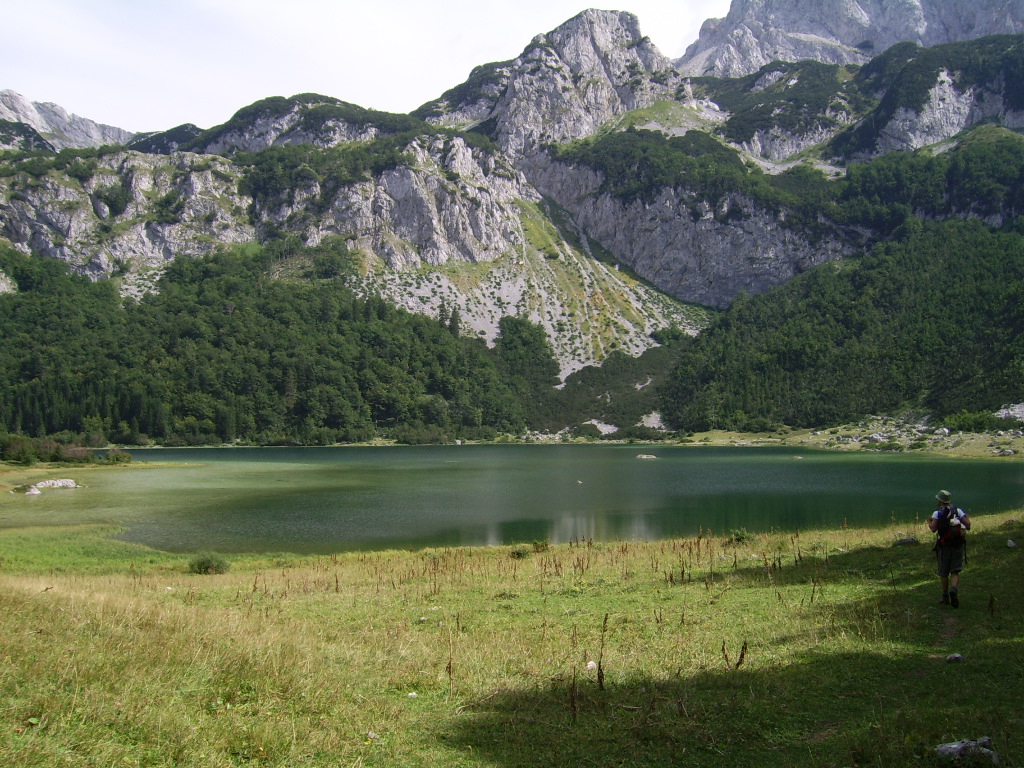
The Piva and Drina rivers are the largest rivers in the park and form its northwestern border. The Sutjeska with its tributaries is the main river basin, which is mostly located within the park itself. The Sutjeska divides the Zelengora mountain from the Maglić, Volujak and Bioč mountains and has created a 1,200-meter-deep canyon and the Tjentište valley through the middle of the park. Other rivers and streams in the national park area are also tributaries of the Sutjeska. The left tributaries are the Klobučarica and Jabučnica streams, and the Hrčavka river, while the right tributaries are the Suški…
Zelengora Mountain, in its forests and wide grassy plateaus, hides 9 glacial lakes, also known as Gorske oči. These lakes are: Crno jezero, Bijelo jezero, Orlovačko jezero, Gornje i Donje Bare, Štirinsko jezero, Kotlaničko jezero, Kladopoljsko jezero and Jugovo jezero (also called Borilovacko jezero).
Source: Wikipedia